Uttarakhand Government Steps Up Preparedness Over Ebola Virus Concerns

Dehradun: The Uttarakhand government has stepped up its preparedness in view of concerns over the spread of the Ebola virus in several countries.
According to a recent World Health Organization (WHO) report cited in the state health department's assessment, thousands of people have been reported infected with the Ebola virus in different countries, including the Democratic Republic of the Congo, Uganda, Kenya and Nigeria. The Centre had also issued an advisory to all states last month, asking them to take precautionary measures.
Following the Centre's directions, the Uttarakhand Health Department has strengthened surveillance and hospital preparedness to deal with any suspected cases. The measures include monitoring travellers returning from affected countries, setting up isolation facilities and ensuring that hospitals are equipped to handle suspected infections.
Symptoms of Ebola infection can appear between two and 21 days after exposure. However, the disease cannot be confirmed based on symptoms alone, as several other illnesses can cause similar signs.
Early symptoms may include sudden fever, extreme fatigue, weakness, muscle pain, headache and sore throat. As the infection progresses, patients may experience vomiting, diarrhoea, abdominal pain and skin rashes.
In severe cases, Ebola can affect the functioning of the liver and kidneys. Some patients may also experience confusion or changes in behaviour. Bleeding from the nose or gums, blood in vomit and blood in stools or urine may also occur in certain cases.
The health department's primary objective is to identify potentially infected individuals at an early stage and ensure that they are isolated from other patients when necessary. Special attention is being given to isolation facilities, the safety of healthcare workers and timely reporting of suspected cases to the concerned authorities.
Travellers returning from Ebola-affected countries will be monitored based on their travel history and health condition. However, the infection can only be confirmed through appropriate diagnostic tests.
People should avoid direct contact with anyone suspected or confirmed to have Ebola. Contaminated clothing, bedding and other objects used by an infected person can also transmit the virus. Regular and thorough handwashing is therefore essential.
Suspected patients should not be cared for without appropriate protective equipment. Healthcare workers must follow prescribed infection prevention and control protocols and use personal protective equipment (PPE).
Suspected patients should be taken to hospitals rather than being kept at home in contact with other people. In areas affected by Ebola outbreaks, people should avoid touching sick or dead wild animals like bats and monkeys.
Anyone who has come into contact with an infected person should inform the health department and remain under medical surveillance for 21 days.
Hospitals in Uttarakhand are being prepared to isolate suspected patients and provide treatment under medical supervision. Dedicated healthcare teams are also being readied to ensure that patients can be treated separately and the risk of further transmission can be minimised.
The Uttarakhand Health Department is following the guidelines issued by the Union Government.
Last month, the Union Health Ministry held a meeting with representatives of all states through video conferencing and issued necessary directions regarding Ebola preparedness. Following the meeting, Uttarakhand also stepped up its preventive measures.
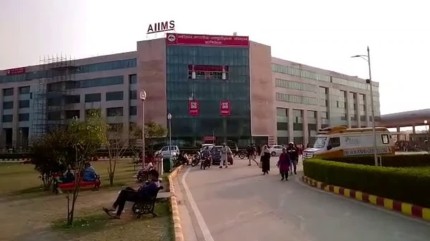
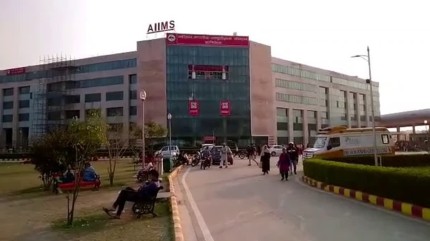
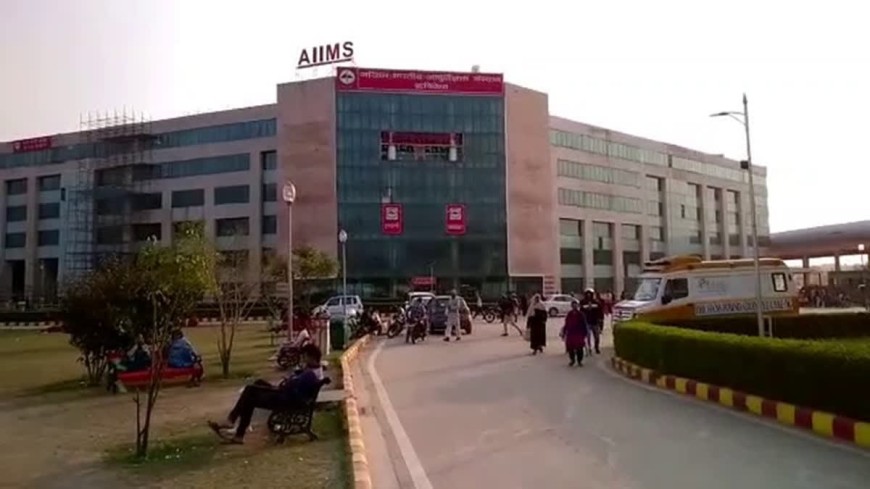
The All India Institute of Medical Sciences (AIIMS), Rishikesh, has been designated as a dedicated isolation hospital for suspected and confirmed Ebola cases. Government and private hospitals have also been directed to maintain preparedness in accordance with the health department's guidelines.
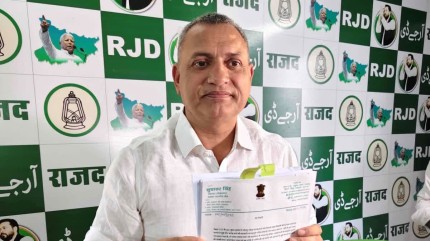
Speaking to ETV Bharat, Director General of Health Sunita Tamta said the state was making preparations in accordance with the guidelines issued by the Centre.
"Preparations are being made at the state level in line with the Centre's guidelines on Ebola. Emphasis has been placed on following instructions related to surveillance, management of suspected patients and hospital preparedness. Hospitals have been asked to remain alert so that the necessary arrangements can be activated whenever required. Monitoring people arriving from affected countries and ensuring hospital preparedness are interconnected measures," she said.
Tamta added that if a traveller is found to have suspicious symptoms during surveillance, hospital arrangements would be activated for further investigation and medical care. Preparations are being strengthened at different levels to ensure a coordinated response.
Senior physician at Doon Hospital, Dr Vivekanand Satyawali, said Ebola is a viral infection reported in parts of Central Africa. Screening is being conducted in accordance with the advisory for people arriving from affected countries.
"If a person arrives from these countries and shows symptoms, they are screened. The person will also be kept in quarantine to prevent the virus from spreading," he said.
Child specialist at Doon Hospital, Dr Ashok Kumar, said children could also contract Ebola when adults in their immediate surroundings become infected.
"Children are not directly exposed to the Ebola virus in most cases. However, the possibility of infection increases when adults around them are infected. The virus can spread from animals to humans. Its main symptoms include fever and diarrhoea. The fever may resemble that seen in malaria, making diagnosis difficult," he said.
Dr Kumar added that children are vulnerable and may develop complications such as internal bleeding. The department is also focusing on the availability of PPE kits, N95 masks and other protective equipment to safeguard healthcare workers.
District-level Rapid Response Teams have been activated to ensure immediate action if a suspected case is detected. Coordination has also been established with the Airports Authority to obtain information about travellers arriving from Ebola-affected countries.